The story of a vase: from clay to shelf
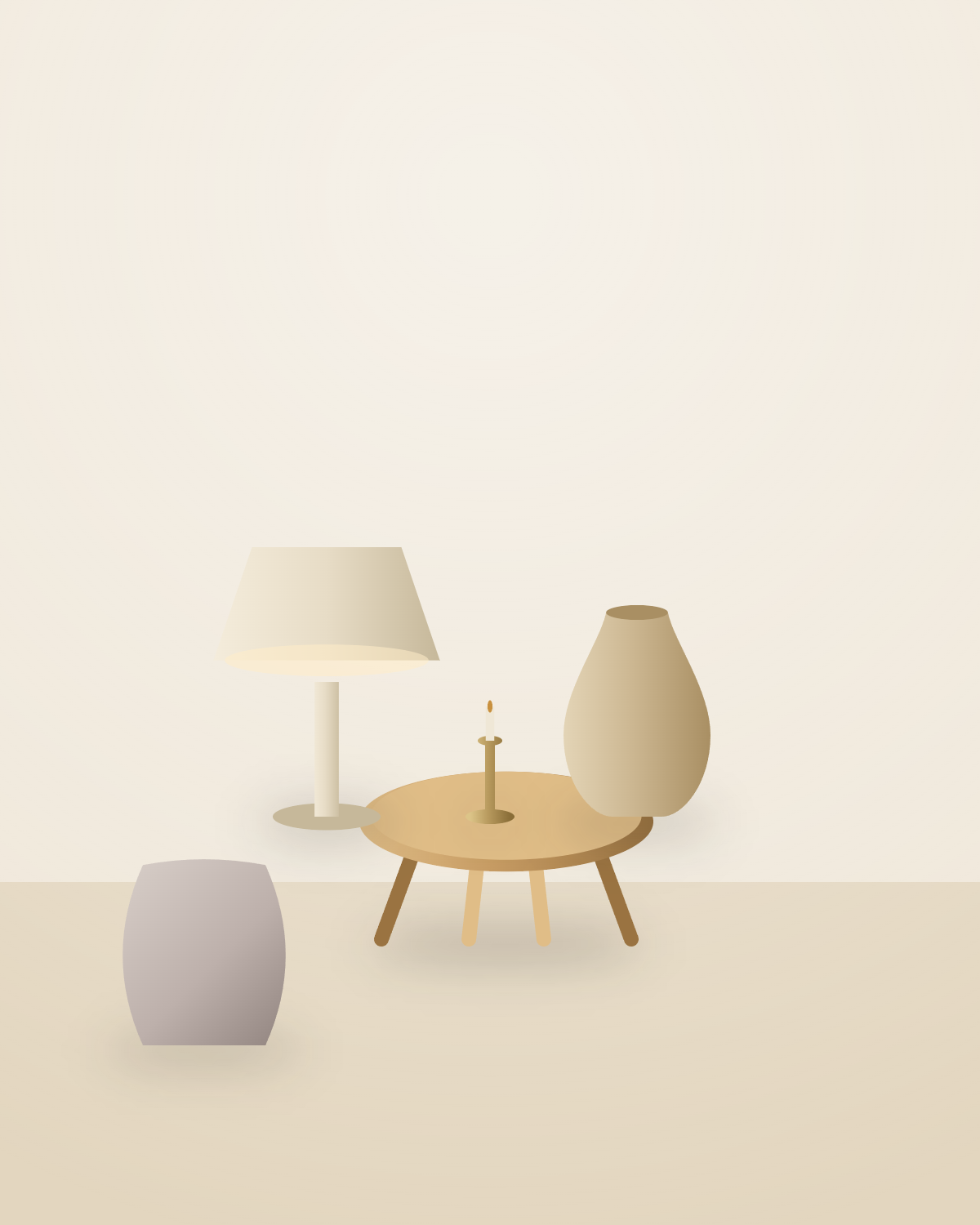
Every Ababa vase is shaped one by one in a potter's hands. That's why no two are ever exactly alike — and we see that not as a flaw, but as a signature.
When the wheel begins to turn, the clay is still nothing at all. As the maker's hands center it, the form slowly rises — like a breath, patiently. At this stage, every hurried move ruins the piece, which is why time is the most important material of all.
Glaze and fire
The dried form meets a matte reactive glaze before being fired at 1240°C. In the heat, the glaze flows in unpredictable ways; two vases from the same bucket emerge from the kiln in different tones. That's exactly why the piece in your hands is truly yours.
To choose an object is to decide you don't want to live without it. Our job is to make pieces honest and durable enough to make that decision easy.
When it comes home
A single stem is enough. The matte surface softens the light, while the wide mouth gives the bouquet room to breathe. Over the years, the small marks it gathers tell your side of the story.